







Wicknell Chivayo died on Wednesday evening. The helicopter carrying him came down near Marondera, and the aviation authority is investigating. He was 43. His wife, Lucy Muteke, died with him, along with four others. Six families are burying someone this week.
He came from Chivhu. His father died in a car accident when he was ten, and his mother raised him. He started as a wages clerk at a bus company. Within two decades, he was among the best-known businessmen in the country.
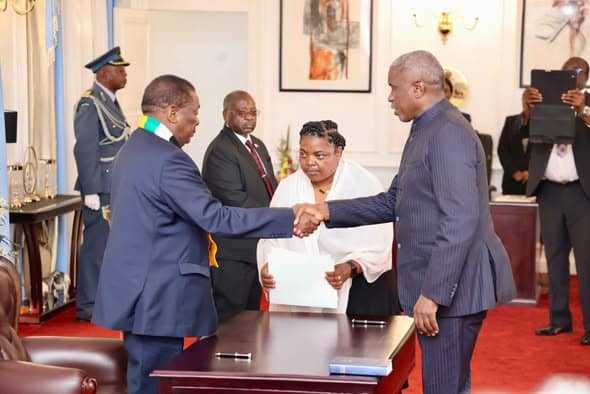
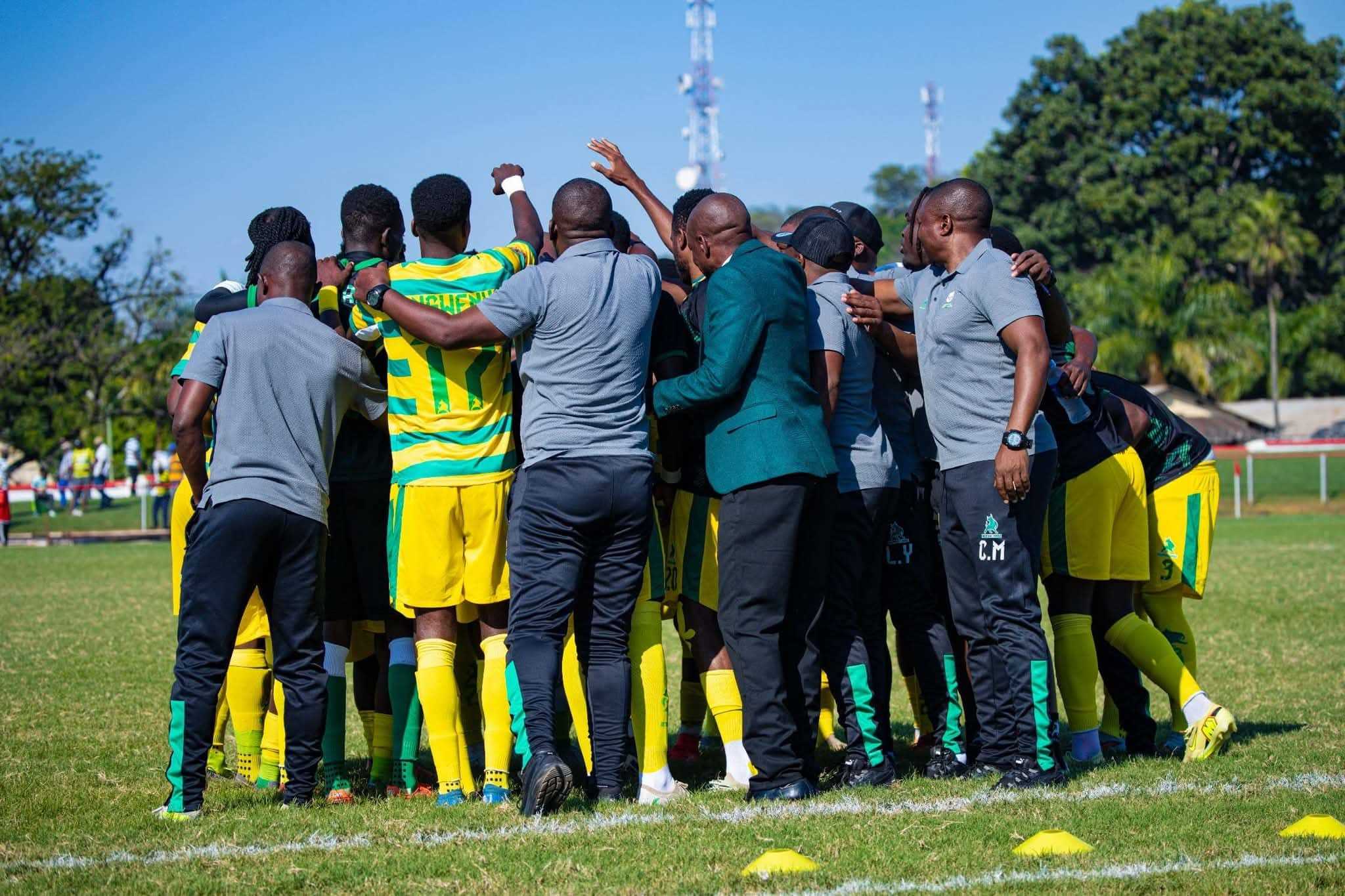
Visibility was his method. He posted the cars, the cheques and the meetings with presidents. He called himself Sir Wicknell. He gave vehicles and cash to musicians, journalists, sports bodies and security forces, and he announced each gift himself. He did not keep his money quiet. He published it.
Nine days before the crash, he announced a US$250,000 Range Rover Sport for Advocate Lewis Uriri, his former lawyer, along with US$50,000 for fuel and US$50,000 for Uriri's wife. Uriri and his wife declined all three. He said his work had been paid for in full and that accepting the gifts would create a perception of obligation.
The record is mixed, and an honest obituary says so. He was convicted of fraud in 2004. The Gwanda solar project was paid for in advance, and by 2017 he was publicly acknowledging that work had not begun. Several rounds of prosecution followed, and he was acquitted in 2024.
Related Stories
In December 2025, the anti-corruption commission said it had found no evidence directly implicating him in the election materials transaction. He denied the other allegations made against him. A conviction and an acquittal both stand. Neither cancels the other.
What he leaves behind is a method more than a fortune. A gift is announced. A name trends. The recipient is grateful, and the public watches. Gratitude became a currency in a country where formal channels pay late or not at all. Many people admired him for that, and the failure of those channels explains part of the admiration. It does not explain all of it.
The method outlives him. The next person with money and a phone does not need his permission to copy it. The expectation he built — that security arrives through exposure and not through service — does not leave with him. Neither does Uriri's answer. A gift can be refused.
Zimbabwe will argue about him for a long time. Some will remember generosity. Others will remember Gwanda. Both groups are describing the same man.
Simbarashe Namusi is a media expert writing in his personal capacity.








Leave Comments