







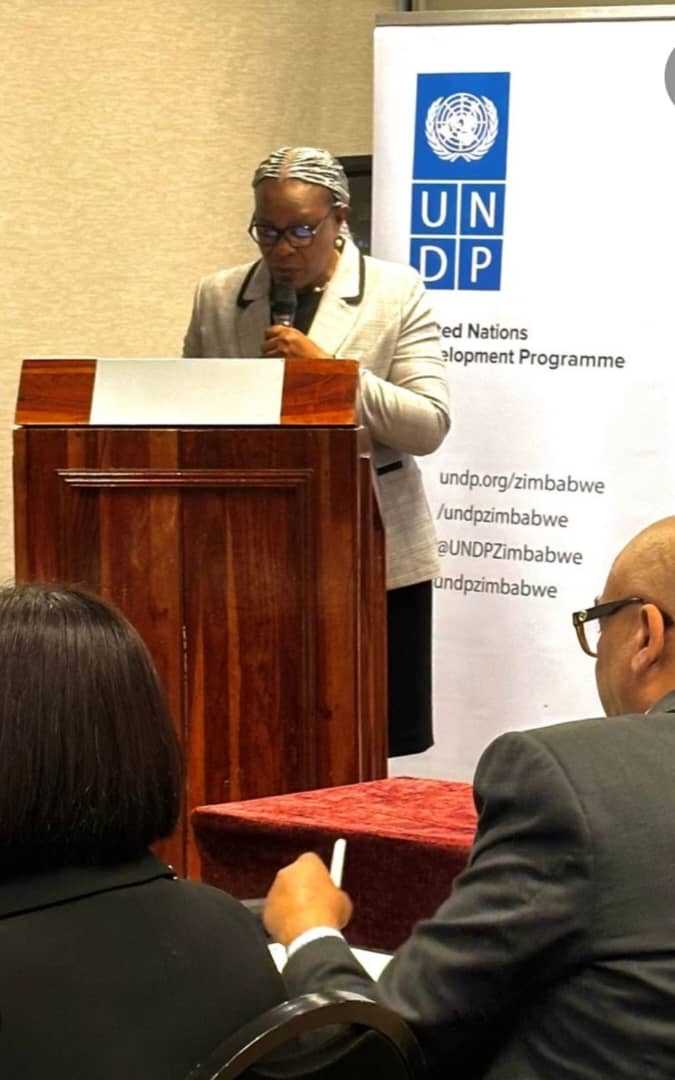
Zimbabwe has launched the second phase of the Tax Inspectors Without Borders initiative aimed at strengthening investigations into tax crimes and curbing illicit financial flows that continue to drain public resources.
The programme is being implemented through a partnership involving the United Nations Development Programme, the Organisation for Economic Co-operation and Development, the Zimbabwe Revenue Authority and the South African Revenue Service.
Announcing the programme’s expansion, UNDP said the initiative is designed to help Zimbabwe strengthen enforcement capacity and improve public finance systems.
“Illicit financial flows weaken economies and reduce resources for development,” the organisation said.
Through the programme, the UN agency said it is supporting authorities to improve tax compliance and strengthen investigative capacity in complex tax crime cases.
“Through Tax Inspectors Without Borders, UNDP is supporting Zimbabwe to strengthen tax crime investigations, enhance compliance, and improve public revenue systems,” the organisation said.
Related Stories
The second phase of the initiative comes as Zimbabwe continues to face fiscal pressures amid rising public expenditure demands and limited external financing.
According to development agencies and financial governance institutions, African countries collectively lose billions of dollars annually through illicit financial flows, including tax evasion, profit shifting and illegal financial transfers by multinational corporations.
In Zimbabwe, tax revenue remains the backbone of government financing, funding key sectors such as health, education and infrastructure. However, analysts say the country’s ability to expand its revenue base is constrained by a large informal economy and limited capacity to investigate complex cross-border tax cases.
Officials say the new phase of the TIWB partnership will focus on building technical expertise among tax investigators, particularly in areas such as transfer pricing, corporate tax avoidance and cross-border financial transactions.
The collaboration also reflects growing international emphasis on strengthening domestic resource mobilisation as a pathway to financing development and achieving the global Sustainable Development Goals.
“Stronger partnerships for stronger public finances,” UNDP said while announcing the programme.






Leave Comments