



In many of Zimbabwe’s high-density suburbs, scenes that once triggered public alarm are increasingly unfolding in plain sight — young people openly consuming alcohol in streets, shopping areas and community spaces while residents look on with growing concern.
What was once widely condemned is gradually becoming normalised, as underage drinking and public alcohol consumption spread across urban communities.
“As a parent, I am worried about tuck shops in our high-density areas selling alcohol to underage children. It is putting us all at risk,” said Tendai Muchengeti.
“The government should not allow alcohol to be sold as freely as soft drinks,” he added.
Residents say the visibility of alcohol use has increased significantly, with drinking now occurring openly throughout the day.
“These days, from morning to evening, you see people openly drinking alcohol everywhere,” said Lovemore Chikowore.
“This is happening even in the presence of police, as if public drinking has been allowed. Where is the law? Where are the police?” he asked.
Community members argue that the concern extends beyond access to alcohol, pointing instead to what they describe as weakening enforcement and accountability.
“It is becoming a jungle. Some powerful individuals have interests, just like in the drug trade, and they resist enforcement of regulations,” said Kudakwashe Mhofu.
“Law enforcement appears selective, even at local authority level. It creates confusion about how Zimbabwe’s laws are being applied.”
Others noted that while licensed liquor outlets may comply with regulations, the rapid growth of informal traders has created loopholes exposing minors to alcohol.
“There are designated places allowed to sell alcohol, and these are meant to serve adults above 18 years only,” said Memory Dube.
“In formal outlets, underage individuals are normally not served. The bigger problem is happening outside regulated spaces,” she said.
Related Stories
The Zimbabwe Republic Police has acknowledged violations by some liquor outlets.
Police national spokesperson Paul Nyathi said authorities were aware of establishments ignoring provisions of the Liquor Act.
“The Zimbabwe Republic Police has taken note of reports of liquor outlets in central business districts and residential areas that are not observing the provisions of the Liquor Act. Some are even allowing minors access to alcohol through their facilities,” he said.
Nyathi stressed that Zimbabwean law clearly prohibits selling or supplying alcohol to persons under the age of 18 and warned that offenders risk arrest and prosecution.
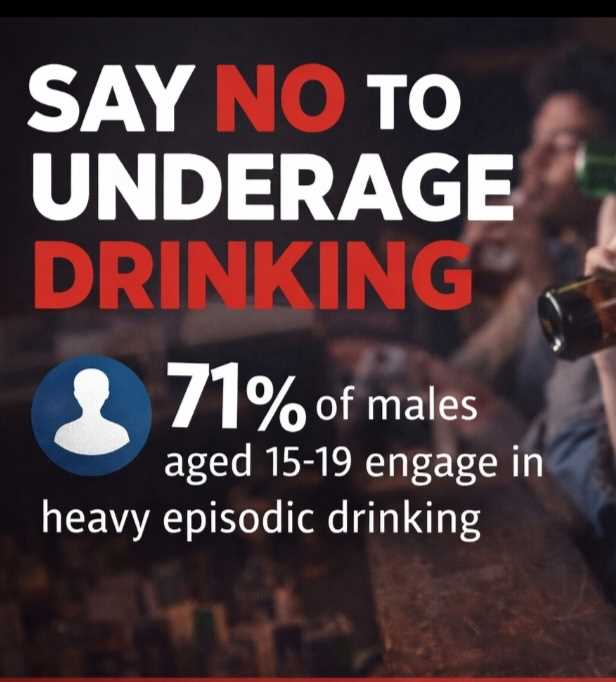
Public health advocates say the problem reflects broader regional trends. According to a report by the World Health Organization, Zimbabwe records high levels of adolescent alcohol consumption, with 70.7 percent of males and 55.5 percent of females aged 15 to 19 reported to engage in heavy episodic drinking.
Tungamirai Zimonte, director of the Southern African Alcohol Alliance Zimbabwe, called for collective responsibility in addressing the growing crisis.
“We appeal to parents, guardians, teachers, religious leaders and community members to play their role in educating and protecting children from alcohol-related harm,” he said.
“We also encourage the media to continue raising awareness and reporting responsibly on alcohol abuse.”
For many residents, the issue reflects deeper social pressures facing communities.
“As life becomes tougher economically, many underage children are exposed to alcohol and drugs being sold openly in their communities, with little intervention,” said Farai Nyamande.
Others believe social silence has allowed the situation to worsen.
“Sadly, many parents and society at large have not consistently spoken out against the sale of alcohol and tobacco to children,” said Tatenda Zhou.
Community member Brian Moyo said decisive action was still possible.
“Action is never too late,” he said.
As underage drinking becomes more visible in everyday public spaces, communities are confronting difficult questions about enforcement, parental responsibility and social norms — and whether behaviour once hidden has now become an accepted reality.




Leave Comments