






The struggles facing some of Zimbabwe's biggest supermarket chains have triggered fresh questions about the future of the country's formal retail sector, as rising procurement costs, currency pressures and changing consumer behaviour reshape the competitive landscape.
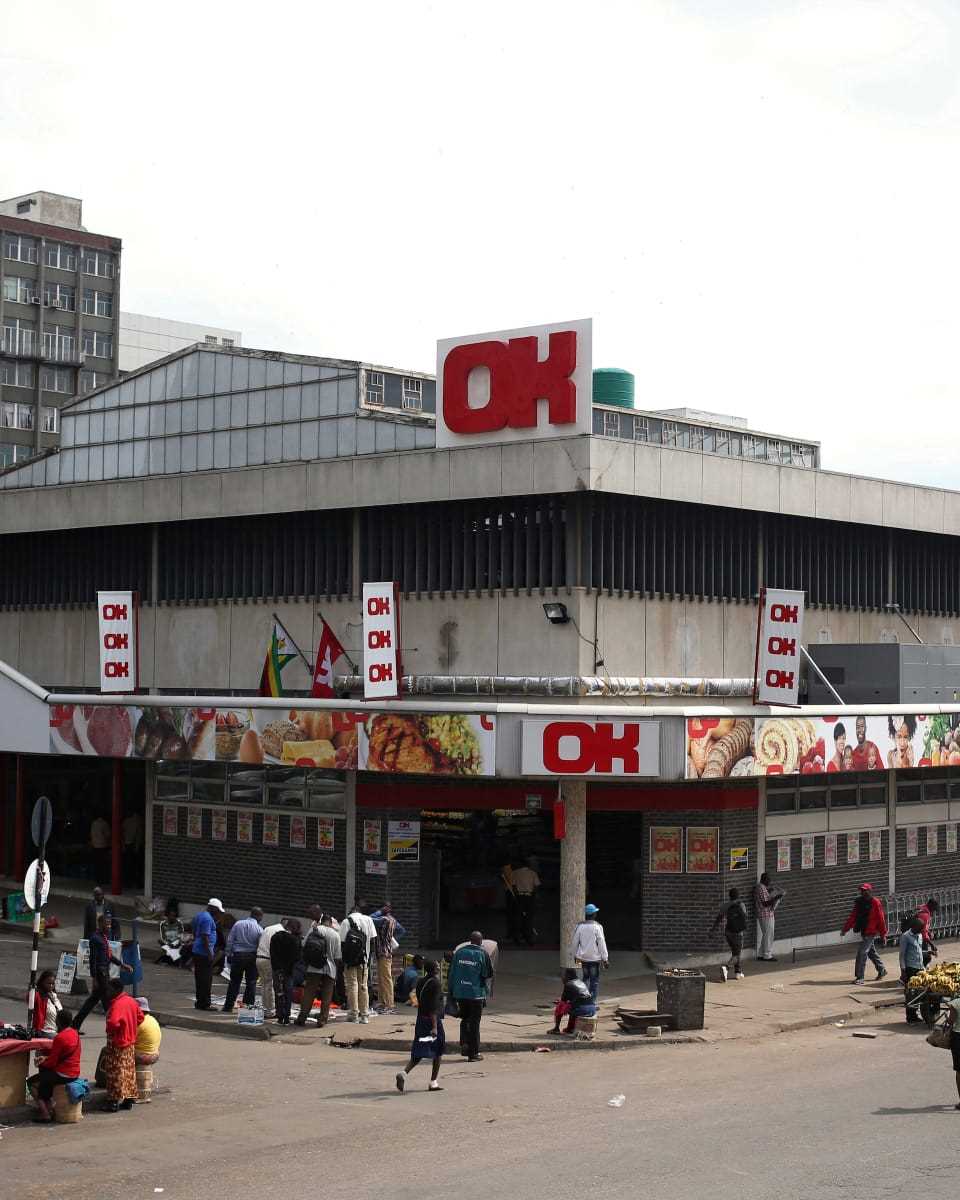
For decades, major retailers such as OK Zimbabwe dominated the market through extensive branch networks, established supply chains and strong consumer loyalty.
However, recent developments have exposed the growing pressures confronting large retailers operating in an increasingly complex business environment.
Many consumers and business operators believe the challenges stem from a combination of economic and operational factors.
Charles Mhere said exchange-rate distortions are placing significant pressure on formal retailers.
"I think it is the cost of procurement arising from exchange-rate issues. They may be using the official exchange rate to procure goods from suppliers who are using a much higher market rate. That gap can seriously affect profitability," he said.
The concerns come at a time when many retailers are struggling to balance procurement costs with consumer demand in a market where disposable incomes remain under pressure.
Others believe management decisions may also have played a role.
Tendai Chikukwa said some of the difficulties could be linked to strategic decisions taken over recent years.
"OK Zimbabwe injured itself. Other retailers are operating under the same conditions. Management failed to adjust to the realities on the ground," he said.
Chikukwa added that leadership changes may have affected the company's ability to respond to market challenges.
"They removed management that had been there for years and brought in new management who did not know the heartbeat of the company. OK survived difficult periods before, including 2008. Many people are asking what changed," he said.
Questions have also emerged around operational efficiency and corporate oversight.
Tawanda Nyoni said procurement systems and internal controls often come under scrutiny whenever large companies encounter difficulties.
"When procurement mistakes happen in large organisations, people naturally begin asking questions about systems and oversight," he said.
Despite the challenges facing some large retailers, smaller supermarkets and independent operators continue to expand across the country.
George Mutasa said this trend raises important questions about the operating environment.
Related Stories
"My worry is why other Zimbabwean-owned supermarkets appear to be doing well. There are businesses that are expanding under the same conditions. We need to understand why some are succeeding while others are struggling," he said.
The retail sector has also seen growing c
ompetition from alternative outlets and smaller operators who often have lower operating costs and more flexible business models.
Brighton Moyo said major retailers operate under stricter compliance requirements than many smaller businesses.
"If you are a supplier, you can see the difference in the way products are vetted by established retailers compared to some alternative outlets," he said.
Currency availability remains another major concern for formal businesses.
Farai Chiweshe said access to foreign
currency continues to affect the ability of large retailers to replenish stock and maintain stable operations.
"The reality is that these supermarkets sell in ZiG but often need foreign currency to replenish stock. If they cannot access enough foreign currency, it becomes difficult to operate efficiently," he said.
Meanwhile, the emergence of newer retail players is steadily changing the structure of Zimbabwe's supermarket industry.
Gift Muchengeti said competition has intensified significantly in recent years.
"Some of the newer supermarket chains appear to be growing while traditional retailers are facing pressure. The market is changing and competition is becoming tougher," he said.
The transformation taking place within Zimbabwe's retail sector reflects broader shifts occurring across the economy.
Consumers are increasingly price-conscious, competition is intensifying and businesses are being forced to adapt to rapidly changing market conditions.
For large retailers, success is no longer guaranteed by history, scale or brand recognition alone.
Operational efficiency, supply chain management, pricing flexibility and the ability to respond quickly to consumer needs are becoming increasingly important.
As the sector continues evolving, the fortunes of major supermarket chains are likely to remain a key indicator of the health and direction of Zimbabwe's formal economy.










Leave Comments