



Simbarashe Chadiwa's story is one of Zimbabwe's most remarkable journeys from despair to hope.
Nearly a decade after being condemned as a child rapist for a crime he did not commit, the man whose name once became synonymous with injustice is now embracing fatherhood, marriage and a fresh start in the quiet rural community of Gokwe.
Chadiwa was released from prison on April 19, 2024, as a beneficiary of the presidential amnesty announced to commemorate Zimbabwe's 44th Independence celebrations.
He had already served nine years for a wrongful rape conviction.
What makes his story even more poignant is that the freedom he enjoys today came at an unimaginable cost. Nine years of his youth were already lost before the woman, whose testimony had sealed his fate, finally confessed that she had lied as a child after being coerced into implicating him.
But today, the 35-year-old is determined not to allow those stolen years to define the rest of his life.
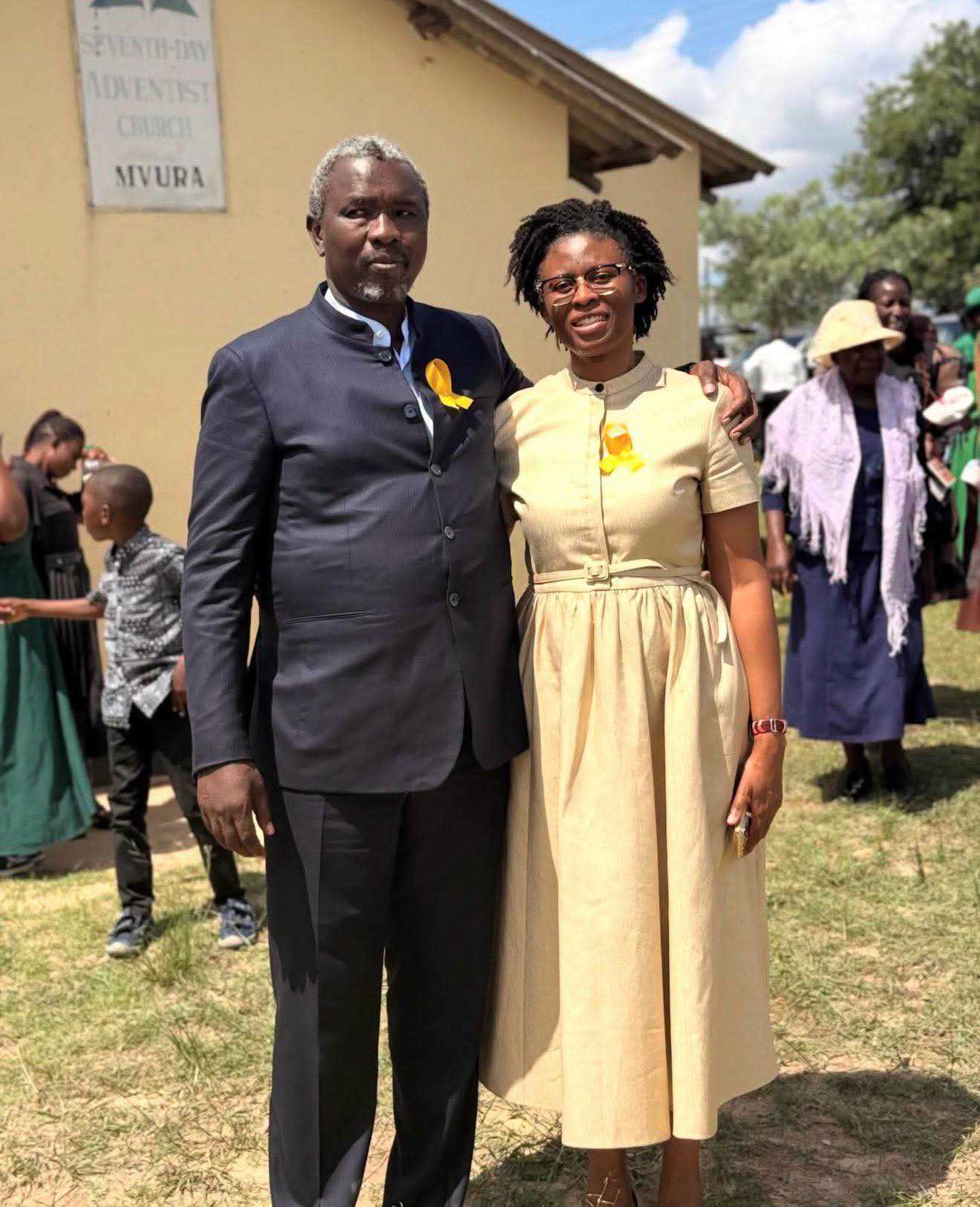
In Mairosi Village under Chief Gumbero in Gokwe, Chadiwa is rebuilding brick by brick what prison walls once threatened to destroy. He is now traditionally married to his wife, Christabell Kudziwe, after formally paying lobola at her family's rural home in Manicaland.
"Ndakaita zvekunokumbira kwaMutare kumusha kwake. After everything that happened, God blessed me with a woman who accepted me for who I am and never judged me by my past. She believed my story when many people did not. That alone gave me the courage to believe that life could begin again," Chadiwa said in an interview in Gokwe.
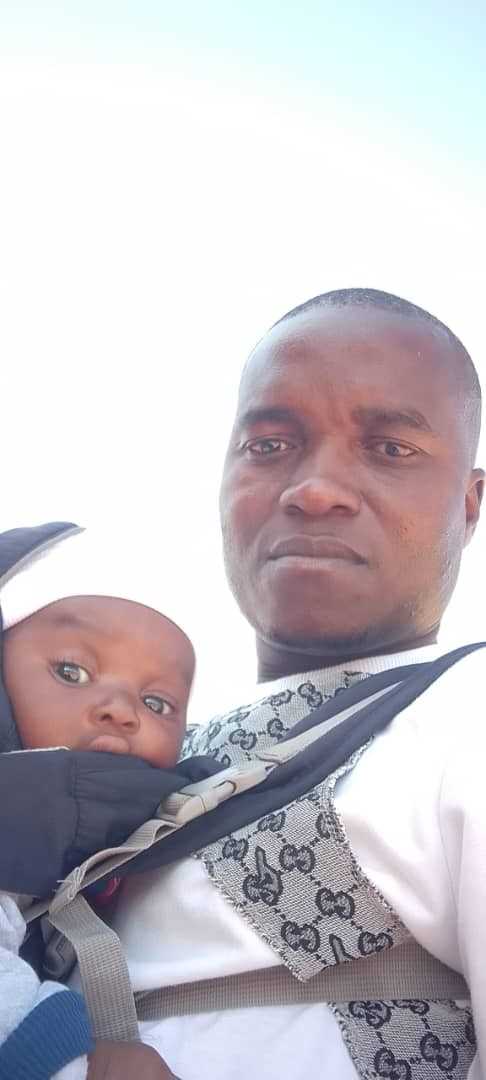
The couple recently welcomed a baby boy, Ayani, now two months old.
Watching him gently cradle the infant is a picture few would have imagined years ago when he was serving what appeared destined to be a lengthy prison sentence.
His joy is made even deeper by the knowledge that he is also reconnecting with another child, 11-year-old Ashiel, whom he fathered before his incarceration.
For Chadiwa, fatherhood has become both a blessing and a reminder of the years that were stolen from him.
"Every time I look at my children, I remember the years I lost. I missed watching my first child grow up. I missed birthdays, her first day at school and so many moments a father should never miss. Those memories hurt, but they also remind me that I still have a chance to be there for them now."
The road back into society, however, was anything but smooth.
After spending nine years in a highly structured prison environment, even ordinary aspects of life felt unfamiliar. Simple freedoms that most people take for granted became daily challenges.
"Prison changes you. Everything is controlled. You wake up at a certain time, eat at a certain time and sleep at a certain time. Suddenly you come home and nobody is ringing a bell to tell you what to do."
"Even sleeping was difficult. In prison you get used to certain routines. At home I would wake up thinking I had overslept or expecting someone to shout instructions. My eating habits had changed. Socialising was another challenge because I had been away from people for so long. I had to learn how to become part of society again."
He admits there were moments when the outside world felt more intimidating than prison itself.
"People think that once the prison gates open everything becomes normal. It does not happen like that. Your mind has to adjust. You have to learn to trust people again. You have to learn how to interact freely. You have to rebuild confidence because prison can make you feel disconnected from society."
One institution that made that transition easier, he says, was the Zimbabwe Prisons and Correctional Service (ZPCS).
While prison robbed him of precious years, Chadiwa is quick to acknowledge the correctional and rehabilitation programmes that prepared him for life after release.
He says correctional officers encouraged discipline, responsibility and productive living, helping inmates prepare for eventual reintegration into society.
Related Stories
"People often only see prison as punishment, but there is another side which many do not know. There are officers who genuinely want inmates to leave prison as better people. They teach discipline and responsibility. They encourage people to work and prepare themselves for life outside."
"The rehabilitation programmes helped me understand that life would continue one day. They taught us not to lose hope. I appreciate the correctional role they played because without that preparation adjusting to freedom would have been even more difficult."
After regaining his freedom, Chadiwa refused to remain idle. Instead, he accepted an opportunity to work at a relative's small-scale mine. The physically demanding work became more than just employment. It became therapy.
Each day's labour represented another step away from the painful memories of prison. The earnings enabled him to begin rebuilding his life, support his new family and lay the foundation for the future he had almost lost forever.
"When I started working at the mine, it was not just about money. It gave me dignity again. I wanted to earn an honest living. I wanted to prove to myself that despite everything that had happened, I could still stand on my own feet."
However, the work has since become inconsistent, leaving the young family facing financial uncertainty. Chadiwa is now appealing for assistance to enable him to return to the mine and continue providing for his wife and children.
"I am not asking for luxury. I only want an opportunity to work again. If I can return to the mine, resources permitting, and continue earning a living, I will be able to look after my family. I believe in working for what I have."
Although bitterness would be understandable after everything he endured, Chadiwa says he has deliberately chosen forgiveness over resentment. Faith, he insists, carried him through his darkest days.
"If there is one lesson my life has taught me, it is that we should never give up. No matter how painful your situation is, there is always tomorrow."
"Sometimes life becomes so difficult that you ask God why it is happening to you. I asked those questions many times. But today I realise that God has a purpose for every person. We may not understand it immediately, but eventually His plan becomes clear."
"I want people who are going through difficult situations to know that your current circumstances are not your final destination. You can fall, you can be disappointed and you can lose almost everything, but you can still rise again."
"Do not allow pain to destroy your future. Pick yourself up. Keep believing. Keep praying. God can restore what people think is impossible to restore."
His message extends beyond those who have been imprisoned. It is directed at anyone battling life's setbacks.
"Life will always have challenges. Some people lose jobs, others lose loved ones, others are falsely accused like I was. Whatever your situation, do not surrender your hope because hope is what keeps you alive."
"If I had lost hope in prison, maybe I would not be here today holding my son. I kept believing that one day the truth would come out, and eventually it did."
The wrongful conviction that changed his life also reignited debate across Zimbabwe about the justice system, the handling of sexual offence cases and the devastating consequences of false accusations.
For nearly a decade, society knew Chadiwa only through the label attached to his conviction. Today, he wants to be known differently — as a husband, a father and a hardworking villager determined to provide for his family.
Neighbours in Mairosi Village are slowly getting to know the man behind the headlines. He tills the land, dreams of returning to mining and spends his evenings with the family that once seemed impossible to have.
The scars of prison, however, remain. So do the memories of nine years that can never be returned.
But as little Ayani sleeps peacefully in his father's arms and Ashiel gradually reconnects with the parent she barely knew growing up, those painful memories are beginning to give way to something stronger.
Hope.
And for Simbarashe Chadiwa, freedom is no longer measured by open prison gates. It is measured by the laughter of his children, the unwavering love of his wife, the dignity of honest work and the quiet belief that even after life's darkest chapter, God can still write a beautiful ending.



Leave Comments