







Znyaya Reporter
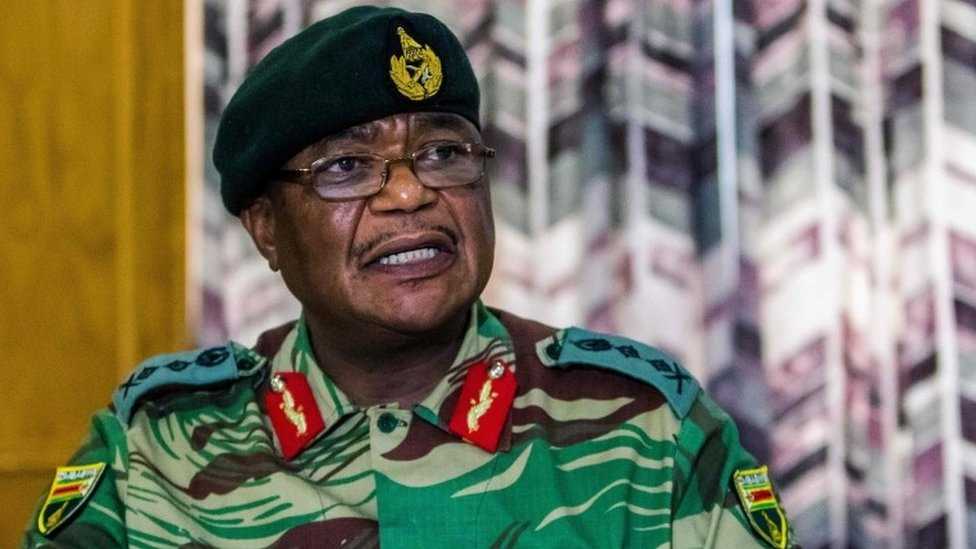
With the 2017 removal of Mugabe and his move from the army to vice presidency, Constantino Chiwenga arrived in Zimbabwe’s public imagination like a boot hitting concrete.
The rough and ready soldier. The general who spoke in commands, not clauses. A man shaped by barracks logic rather than civilian charm. His early political presence felt borrowed from camouflage, functional, intimidating, and unpolished.
Then came the jokes. Zimbabweans, masters of political satire, seized on his public speeches. Words like “debilitating” became memes, punchlines, shorthand for a man many dismissed as uncomfortable outside military order.
His delivery, clipped and sometimes strained, reinforced the caricature. The soldier trying to wear a suit, still marching inside it. Because many took his lack of eloquence in English as a reflection of his mental capacity. And applied the same standard in judging him as presidential material.
Health scares deepened that image. The now famous “pisa pisa” episode, when Chiwenga appeared visibly unwell at a public event, sweating and seemingly feverish, turned concern into speculation. Was this a man physically fit for power, let alone the presidency? In a world where leadership is often conflated with physical vitality, the moment lingered.
Then the personal implosion arrived, loudly.
Mary Mubaiwa, his now ex-wife and baby mama attempted to recast the general not as victim but villain. Her legal strategy leaned heavily on public sympathy, painting Chiwenga as cruel and heartless, a man capable of emotional violence.
The subtext was clear: shift attention away from the chilling allegation at the centre of the case, the attempted murder of the same man she was accusing.
And it worked. Zimbabweans were invited to choose between narratives rather than evidence. And the majority on social media fell for the Marry as a victim trick and brushed off that this woman stood accused of a heinous crime.
Related Stories
That Marry Mubaiwa who was harshly judging Chiwenga stood accused of engineering a civil marriage with a man who could not legally consent and attempting to murder the same man. That he only survived the alleged attempted murder through serious interventions. And that Marry Mubaiwa was then barred from further access to him in his weakened state.
Then Chiwenga remarried, this time to Minnie Baloyi, and almost imperceptibly, the public persona shifted. The scowl softened. The soldier learned the language of civility. Appearances became measured, tone more deliberate. The jokes faded. In their place emerged a man who seemed to understand that power, real power, is not seized, it is performed.
Observers say President Emmerson Mnangagwa has tried to manage Chiwenga by motion, assigning him out of country duties, keeping him away from the daily theatre of domestic success politics. Diplomatic travel as political distance. Yet that very distance has become Chiwenga’s classroom.
Instead of disappearing, he has been studying.
Regional engagements and international forums have offered him something Harare politics never did, a chance to appear presidential without having to fight for airtime. At the Tanzanian president’s inauguration, following a bloody riot tied to a disputed election, Chiwenga was expected to toe the familiar line of regional solidarity at all costs.
Instead, he struck a careful diplomatic note, acknowledging that the situation was far from ideal. It was not defiance, but it was honesty, rare currency in southern African politics.
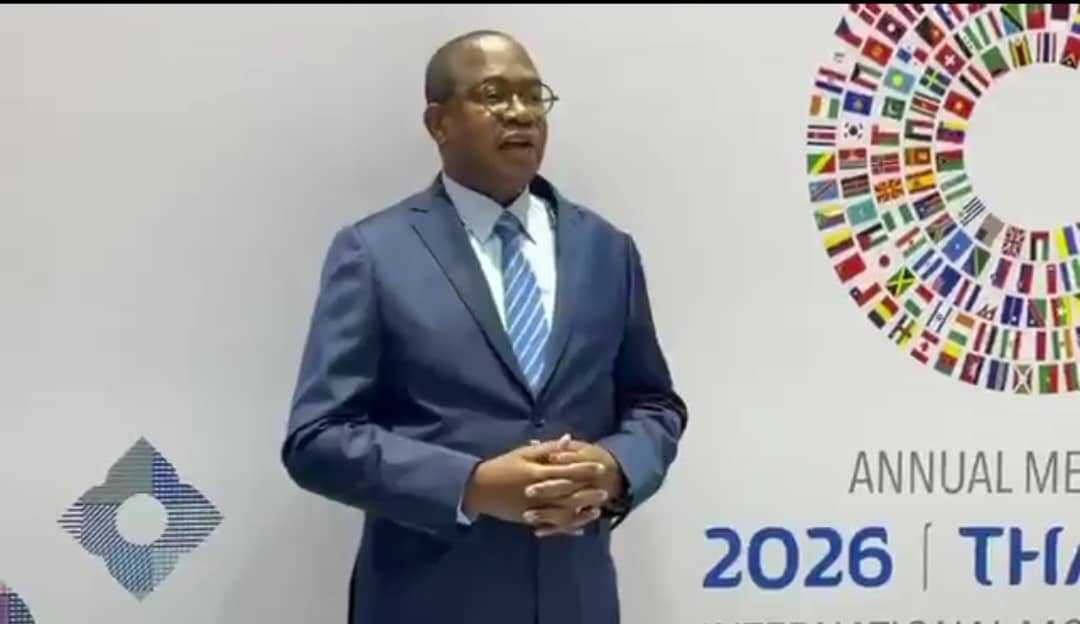
At the South Africa hosted G20 engagements, he surprised again. Confident, composed, and unusually at ease, he spoke as a man aware that the room mattered, and that Zimbabwe was being watched. For a figure once dismissed as politically blunt, the contrast was striking.
Back home, his rhetoric has grown bolder.
Chiwenga’s public comments on corruption, particularly his willingness to name the role of politically exposed persons, have landed like thrown stones. When figures such as Kudakwashe Tagwirei are mentioned in the same breath as state capture and elite excess, it forces President Mnangagwa into an uncomfortable position, defending allies while preaching reform.
The institutional responses that followed have only sharpened that discomfort. A statement by ZACC chairperson Michael Reza exonerating Wicknell Chivayo, and a separate denial by the Zimbabwe Republic Police that it is investigating Paul Tungwarara, read less like routine clarifications and more like defensive choreography. The speed and certainty of these pronouncements suggest pressure, not confidence.
In this moment, Chiwenga is no longer the comic general, nor merely the recovering patient, nor the vengeful husband. He is emerging as something more dangerous to the status quo, a viable alternative who did not force his way into relevance but learned it, diplomatically, and with timing.
Zimbabwe has seen ambitious men before. What it has rarely seen is one evolve in public, shedding old skins without formally declaring ambition. Chiwenga’s emergency as a statesman is not the result of a grand campaign, but of accumulated moments where expectation and performance diverge.
And in politics, that is often where real power begins to change hands.





Leave Comments