




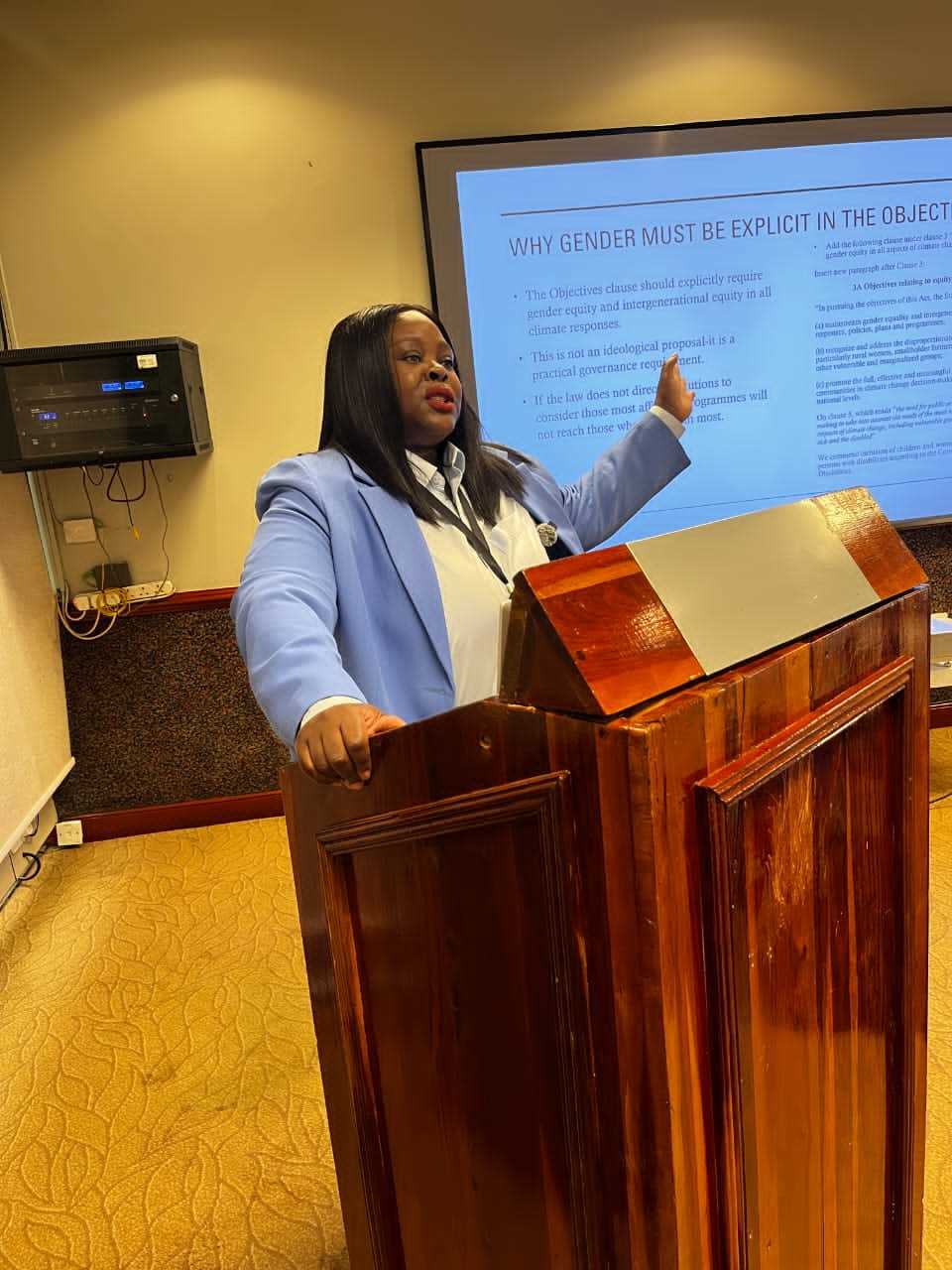
Concerns over weak gender integration in Zimbabwe’s proposed climate law have emerged, with Women and Law in Southern Africa warning that current provisions may limit the effectiveness of climate financing and adaptation efforts.
The organisation engaged the Parliament of Zimbabwe’s Portfolio Committee on Environment, Climate and Wildlife, alongside other civil society groups, to present a gender analysis of the Climate Change Management Bill.
WLSA said the proposed National Climate Fund lacks clear provisions to ensure equitable allocation of resources.
“The proposed National Climate Fund in the Bill lacks gender-responsive allocation provisions, which may affect its effectiveness, transparency, and ability to address the disproportionate impact of climate change on women and girls,” the organisation said.
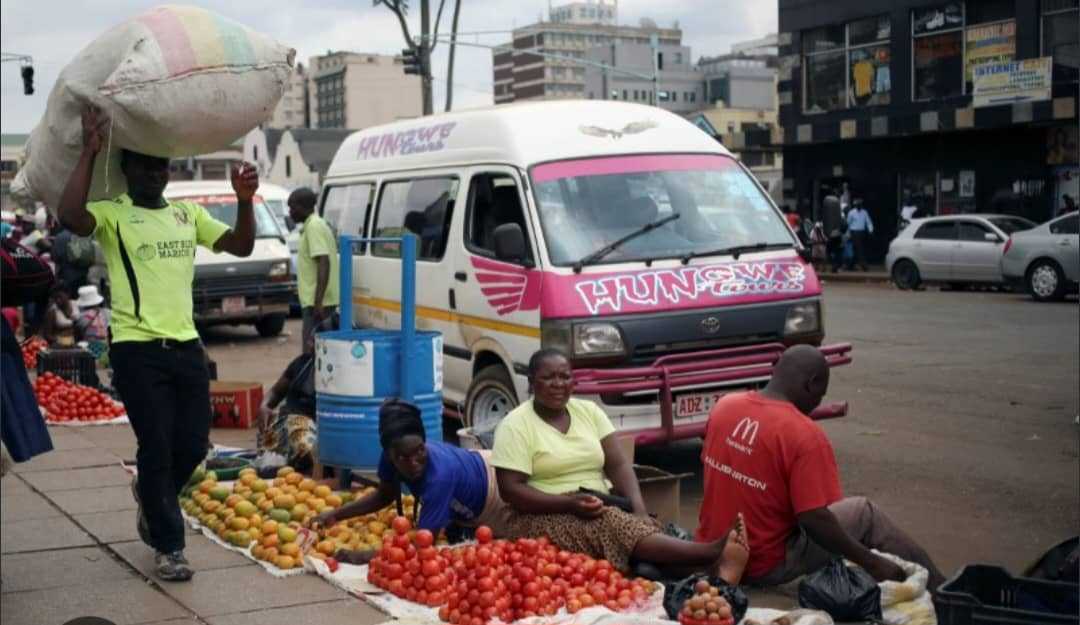
The critique highlights a structural gap in how climate financing is designed, particularly in a country where women, especially in rural areas, are more exposed to climate shocks due to their reliance on agriculture and natural resources.
WLSA also raised concerns about the institutional framework proposed in the Bill, arguing that placing coordination within a ministry could weaken cross-sector implementation.
“A Ministry-based department may face limitations in ensuring that key institutions… integrate gender-responsive adaptation measures into their planning,” the organisation said.
Related Stories
This points to broader coordination challenges, where climate action requires alignment across sectors such as health, agriculture and local governance, but may be constrained by fragmented institutional mandates.
To address these gaps, WLSA proposed the creation of an independent oversight body.
The organisation called for “the establishment of a Climate Change Commission or an equivalent independent statutory body to support coordinated planning, reporting, and implementation across sectors.”
Such a structure, it argues, would improve accountability and ensure that climate responses are not only technically sound but also socially inclusive.
The intervention comes as Zimbabwe faces increasing climate-related risks, including droughts and extreme weather events, which continue to disproportionately affect vulnerable populations.
WLSA said it will submit proposed amendments to Parliament, working with other women’s rights organisations to strengthen the Bill.





Leave Comments