







Zimbabwe has begun shaping its strategic pathway toward the 2028 Summer Olympics, with women positioned at the centre of efforts to unlock economic and social opportunities linked to global sport.
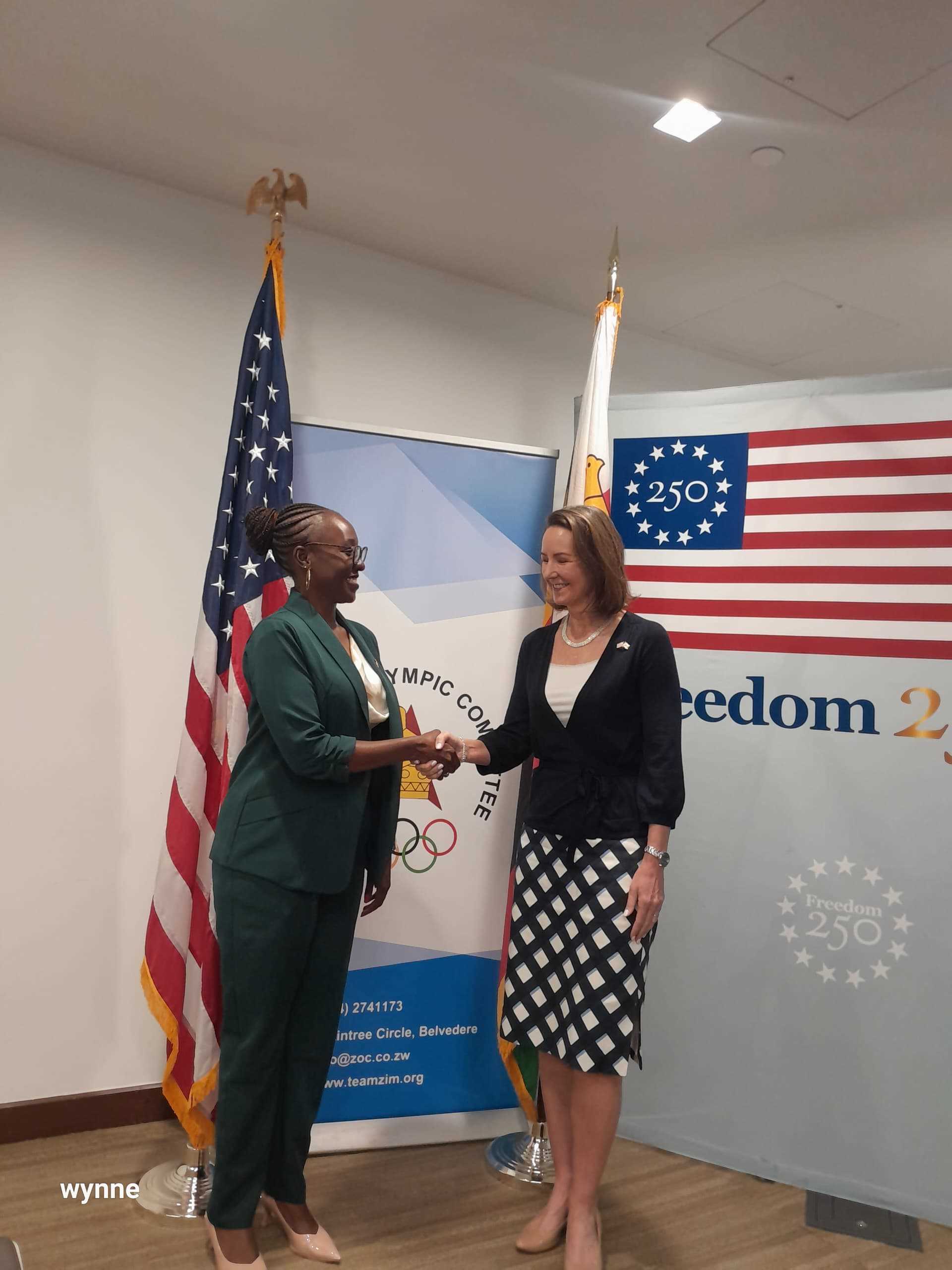
The United States Embassy in Zimbabwe, working in partnership with the Zimbabwe Olympic Committee, hosted the Road to L.A. Women’s Roundtable on March 30, bringing together athletes, administrators, business leaders, and entrepreneurs to explore how mega sporting events can drive national development.
Held under the theme “From Dialogue to Delivery: Leveraging Mega Sporting Events for Economic & Social Impact on the Road to LA28,” the roundtable focused on transforming participation in sport into tangible economic value while strengthening women’s leadership across the sports ecosystem.
Opening the event, United States Ambassador to Zimbabwe Pamela Tremont emphasised that sustainable sports development must include women at every level of decision-making.
“Any serious vision for sport as an engine of economic growth must also be a vision that unlocks the full potential of women and girls — on the field of play, in boardrooms, and across the wider sports economy,” she said.
Drawing comparisons with the United States’ experience, Tremont referenced the impact of Title IX, noting how deliberate policy interventions helped transform women’s sport into a powerful platform for opportunity, investment, and global competitiveness. She urged Zimbabwe to ensure women and girls are “not on the margins of this story, but at its centre.”
ZOC Chief Executive Officer Marlene Gadzirayi challenged women to actively pursue leadership roles within sport administration and coaching structures.
Related Stories
“Women should participate in coaching courses and grab posts in sport administration, not just cry babies all the time,” she said, stressing the need for stronger female representation in governance and technical roles.
Gadzirayi highlighted athletes considered to have podium potential heading toward LA28, including 400-metre hurdler Ashley Kamagarira and 400-metre sprinter Vimbai Maisvoreva, while also encouraging parents to support young athletes pursuing competitive sport despite high participation costs.
From the corporate sector, Latifa Kassim of Nedbank Zimbabwe emphasised professionalism and planning when seeking sponsorship.
“Ladies must be organised when looking for sponsorship,” she said. “Submit proposals at least a year before with clear budgets. We sponsor because we want visibility, but we also want accountability and assurance that athletes’ welfare is prioritised.”
Legal and sports tourism expert Nyasha Sanyamandwe encouraged closer collaboration between sports associations and the private sector, urging athletes and administrators to approach sport as a business capable of generating jobs, investment, and tourism growth.
Joining virtually, Kamagarira highlighted the persistent challenge of visibility for women athletes, noting that recognition and consistent support remain essential if sporting success is to translate into sustainable careers beyond competition.
Discussions throughout the roundtable framed Zimbabwe’s Olympic journey as more than preparation for competition. Participants described LA28 as a multi-year national opportunity to stimulate enterprise development, empower communities, and expand women’s leadership within the sports economy.
The gathering underscored a growing consensus: the road to Los Angeles is not only about medals, but about building a sustainable sports industry — one that positions women at the forefront while elevating Zimbabwe’s presence on the global sporting stage.






Leave Comments