









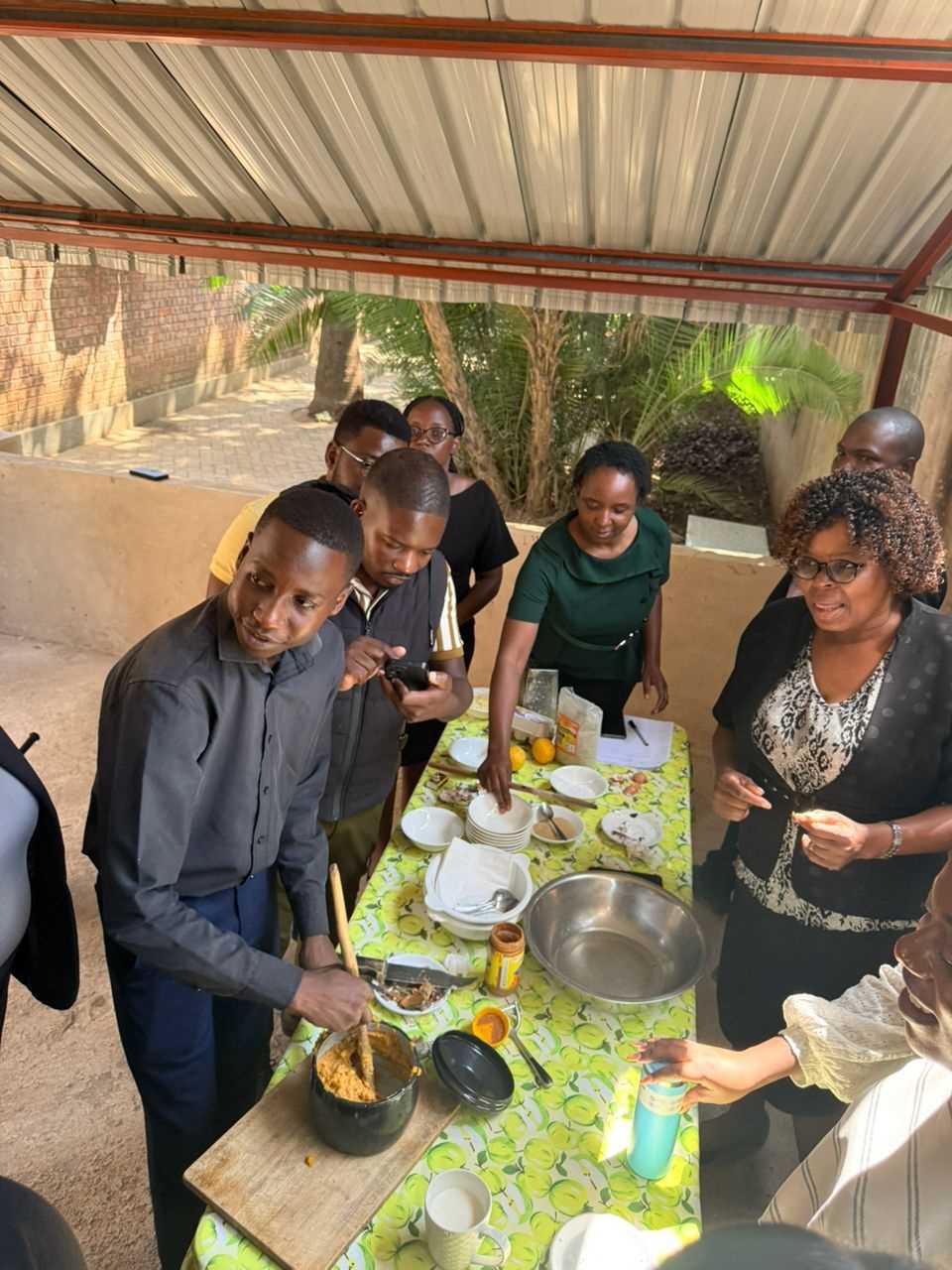
Zimbabwe is facing growing urban nutrition challenges as rising food costs, informal settlements, and shifting diets place increasing pressure on household food security, particularly for children. While malnutrition has historically been associated with rural areas, recent trends show urban communities are becoming increasingly vulnerable, prompting a shift in intervention strategies.
UNICEF Zimbabwe highlighted the urgency of the situation, noting that “urban nutrition challenges are real, and growing,” as it rolls out adapted community-based interventions in partnership with development actors.
The organisation is implementing an urban version of the Care Group Model, traditionally used in rural settings, to improve nutrition outcomes through household-level behavioural change. UNICEF said the approach is “equipping families with the knowledge to thrive, one cooking demo at a time,” reflecting a focus on practical, low-cost nutrition solutions that can be scaled in densely populated areas.
Urban malnutrition indicators are becoming more pronounced.
Related Stories
Nationally, stunting affects about 23 percent of children under five, while urban food insecurity has risen sharply in recent years, with surveys indicating that up to 40 percent of low-income urban households struggle to meet basic dietary needs. Rising inflation in food prices, particularly for protein-rich foods, has further constrained dietary diversity, increasing reliance on cheaper, less nutritious alternatives.
The involvement of partners such as the Church of Jesus Christ of Latter-day Saints underscores the growing reliance on donor-supported programmes to address these challenges. However, the scale of urban food insecurity raises questions about sustainability, particularly as Zimbabwe’s social protection systems remain limited in coverage and funding.
Urban environments also present unique constraints. Limited space for household food production, dependence on cash incomes, and exposure to volatile market prices mean that knowledge-based interventions must be complemented by broader economic support to achieve lasting impact.
UNICEF emphasised the broader goal of inclusivity, stating that interventions are driven by the principle that “no child should be left behind.”







Leave Comments