



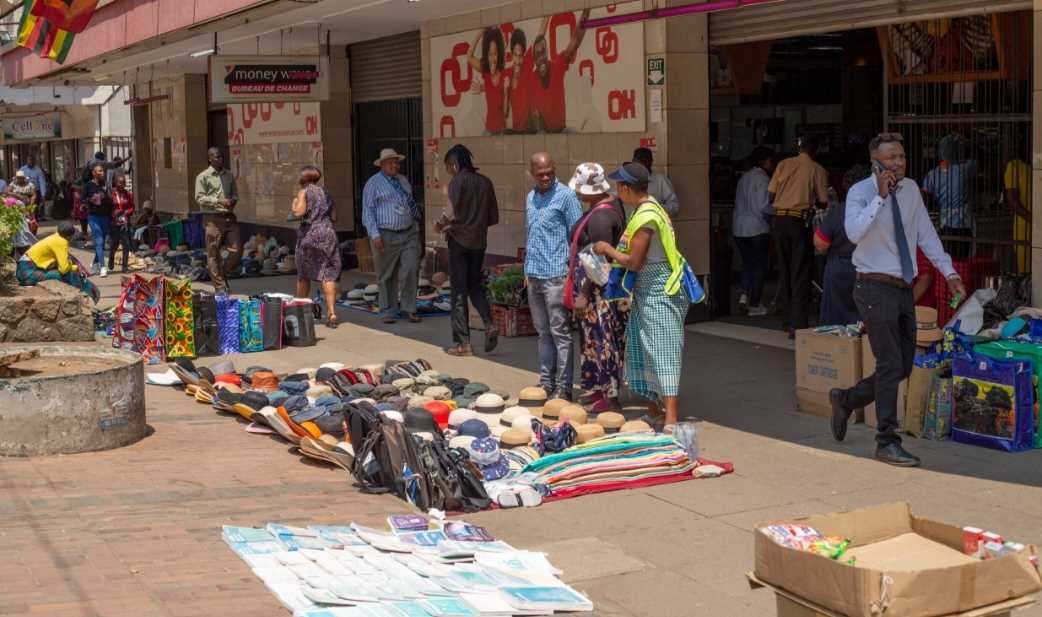



In the crowded markets of Harare, at rural growth points, in church gatherings, on factory floors and across WhatsApp groups, thousands of Zimbabwean women are quietly running their own financial system.
They call it mukando.
Long before banks embraced mobile money or microfinance institutions turned their attention to the informal sector, women across Zimbabwe were already pooling resources, extending small loans, financing businesses and helping families survive economic shocks through rotating savings clubs. Known elsewhere in Southern Africa as stokvels, these community-based savings schemes have become one of the most important informal economic tools for women navigating unemployment, inflation and exclusion from formal banking systems.
For many participants, mukando is more than a savings club. It is a parallel economy built on trust, relationships and survival.
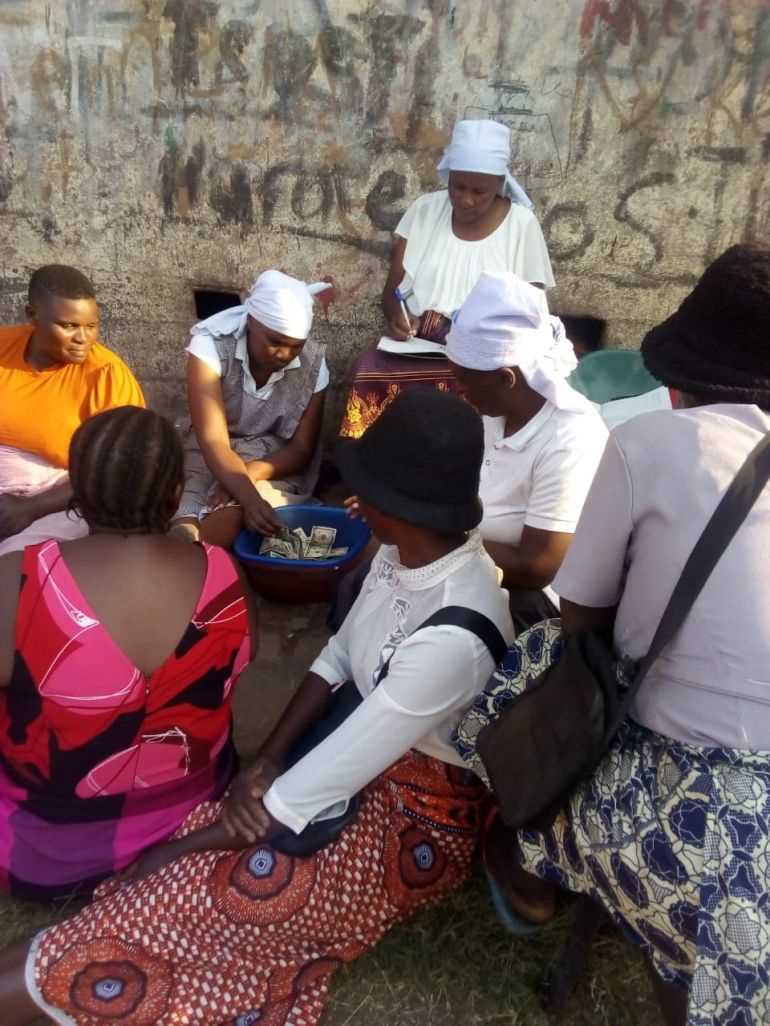
At Mbare Musika, vegetable trader Memory Chari says joining a mukando changed the trajectory of her small business. What began as a group of six women contributing US$20 weekly eventually enabled her to raise enough capital to expand from selling tomatoes to operating a small grocery tuckshop.
“In a bank they ask for payslips, collateral and paperwork. In mukando, they look at your character,” she says. “The women I save with know my struggles because they face the same problems.”
Her story mirrors the experiences of thousands of women who dominate Zimbabwe’s informal economy. As formal employment opportunities have shrunk over the past two decades, many women have turned to self-employment, cross-border trading, vending, tailoring, poultry projects and home-based industries. Yet access to capital has remained one of the greatest barriers.
Traditional banks often regard informal traders as high-risk clients. Mukando groups stepped into that gap.
Under the rotating savings model, members contribute fixed amounts weekly or monthly, with pooled funds handed to one member each cycle. The system allows participants to access lump sums they would otherwise struggle to save individually. Some groups have evolved into lending cooperatives, where pooled funds are loaned to members at agreed interest rates, allowing the collective savings to grow over time.
Others operate as bulk-buying clubs, particularly during the festive season, enabling families to purchase groceries collectively and avoid inflation-driven price increases.
For women excluded from formal financial systems, the model has created a pathway into entrepreneurship and improved household financial management.
Economic analysts say the importance of these savings groups became even more pronounced during Zimbabwe’s periods of hyperinflation and currency instability, when trust in formal banking institutions collapsed. While banks imposed withdrawal limits and savings rapidly lost value, mukando groups adapted quickly, shifting between currencies, mobile money platforms and even grocery-based contributions.
In many communities, the schemes evolved into informal social safety nets.
Women use payouts to pay school fees, purchase farming inputs, cover medical expenses or launch side businesses. Some groups have financed cattle purchases, residential stands and even small-scale property construction projects.
However, the system’s greatest strength — trust — is also its biggest vulnerability.
Related Stories
Because mukando operates largely outside formal regulation, members carry significant risks. If a participant defaults after receiving an early payout, the rest of the group absorbs the loss. In some cases, long-standing friendships and family ties have fractured amid accusations of dishonesty.
In Chitungwiza, Rudo Mhlanga says her women’s group disbanded after one member disappeared owing several months of contributions.
“We trusted her because she was part of our church,” she recalls. “People stopped speaking to each other after that. Some lost money they had planned to use for school fees.”
Disputes over late payments, leadership control and alleged misuse of funds have become increasingly common as groups grow larger and manage greater sums of money.
Financial experts warn that while mukando expands access to finance, it also exposes participants to risks associated with informality. Unlike regulated financial institutions, there is often little legal recourse when disputes arise.
“There is no deposit protection, no insurance and often no formal accountability structures,” says a Harare-based financial inclusion researcher. “Everything depends on social cohesion.”
Despite these risks, the model continues to grow.
Digital technology has transformed how modern mukando groups operate. What was once managed through face-to-face meetings and handwritten records is now increasingly coordinated through WhatsApp groups, EcoCash transfers and mobile banking platforms. Women working in different cities — or even different countries — can now contribute remotely.
The digital shift accelerated following the Covid-19 pandemic, when physical gatherings became difficult and cash shortages intensified.
Recognising the scale and resilience of the sector, formal financial institutions have begun moving into the space. Companies such as Old Mutual Zimbabwe and the People’s Own Savings Bank now offer structured mukando-linked savings products connected to money market funds, allowing groups to earn interest while maintaining collective saving models.
The development reflects a broader shift in how formal finance views informal savings systems — from risky, unbanked networks to viable community-based financial ecosystems.
Some economists believe mukando groups could form the foundation for broader women-led economic empowerment if supported through financial literacy programmes, digital security training and legal frameworks that protect members without undermining the flexibility that makes the system effective.
Critics, however, caution against romanticising informal savings schemes. While mukando helps families cope with economic hardship, they argue it does not address the structural conditions pushing women into precarious informal work in the first place.
Many women participate in savings clubs because formal employment opportunities remain limited and wages insufficient.
Still, in communities where conventional banking often feels distant or inaccessible, mukando continues to provide something many women say the formal economy has failed to deliver: inclusion.
Within these rotating circles of trust, women are not merely saving money. They are financing survival, funding ambitions and building economic agency in an environment where access to capital has long been uneven.
And while the sums exchanged may appear modest in formal economic terms, collectively they represent one of Zimbabwe’s most resilient grassroots financial systems — built not in boardrooms or banking halls, but around kitchen tables, market stalls and shared determination.








Leave Comments