









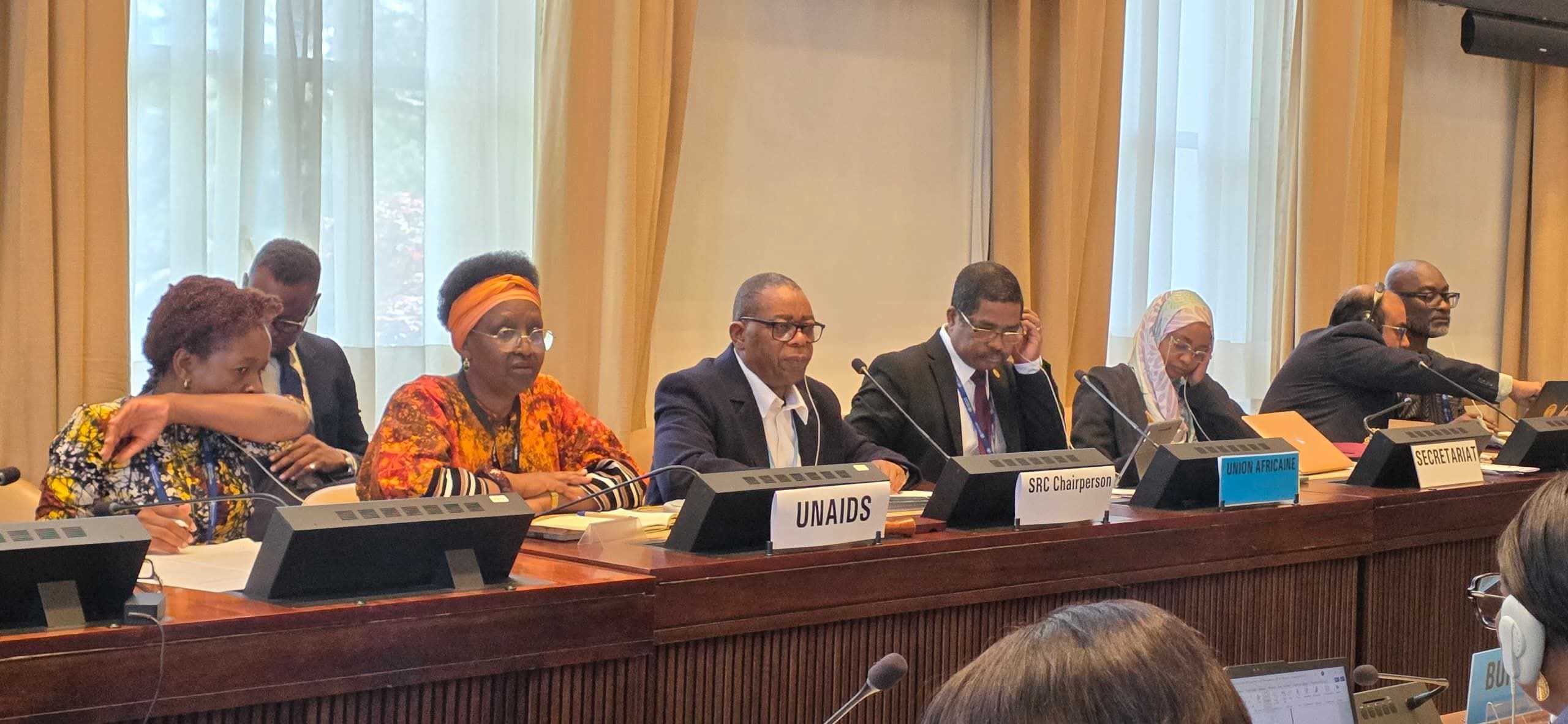
African countries are intensifying efforts to end HIV and AIDS as a public health threat by 2030 amid growing calls for stronger political commitment, sustainable financing and expanded access to treatment services across the continent.
Zimbabwe’s Minister of Health and Child Care, Douglas Mombeshora, said African nations were strengthening a collective response focused on long-term HIV prevention, treatment access and healthcare system integration.
Douglas Mombeshora stated that the continental strategy places strong emphasis on sustainable financing models as countries move to protect HIV programmes from funding pressures affecting public health systems.
He said African countries were also prioritising the integration of HIV services into broader healthcare systems to improve efficiency, strengthen service delivery and expand access to communities.
Douglas Mombeshora added that community leadership remained central to the HIV response, particularly in ensuring equitable access to treatment and prevention services for vulnerable populations.
Related Stories
He stated that member states had reaffirmed the importance of strong political commitment in sustaining a robust multisectoral HIV response involving the health, finance, education, justice and social protection sectors.
The intensified push comes as African countries continue battling new HIV infections, treatment gaps and healthcare financing challenges that threaten progress made over the years.
The Ministry said integrating HIV services into mainstream healthcare systems could help improve long-term sustainability while strengthening overall public health delivery across the continent.
The renewed continental drive also reflects growing concern over the need to maintain momentum toward international public health targets amid changing global funding patterns.
Africa remains among the regions most affected by HIV and AIDS globally, making coordinated regional action and sustained investment critical to achieving the 2030 target.










Leave Comments